There's a simple mistake that costs people thousands of dollars in our living rooms. They assume a sofa with a deep seat is automatically a more comfortable one, a sign of premium quality worth the higher price tag. That extra depth can look generous and luxurious in a showroom, promising a lounge-like experience. But in a compact Singapore flat, where a 12 sqm living area is common, a seat that's too deep forces you into an awkward reclining position—your feet might not reach the floor properly, and your back loses support. You end up perched on the front edge of the cushion, which defeats the whole purpose of a deep seat.
That's why the physical test is non-negotiable for any piece over two thousand dollars. You can't judge depth from a photo or a dimension list. In a showroom, you need to sit back fully, let your shoulders settle against the backrest, and see where your knees fall. If your thighs are angled upward and your heels are dangling, that seat is too deep for your height and the room's proportions. A shallower seat, properly filled with high-density foam, will actually give better support and a more natural sitting posture for daily use.
The exception is if you're specifically buying a sofa for sprawling and movie nights, and you've got the space to accommodate its full length. Then a deep, plush seat can be shiok. But for the typical 4-room BTO layout, where the sofa also defines the walking path to the balcony or kitchen, a moderate depth around 55 to 60 centimetres often works better. It leaves enough clearance behind you for movement and keeps you seated upright without feeling like you're sliding into a pit.
So visit those physical spaces in Sungei Kadut or Defu Lane. Sit for ten minutes, not ten seconds. Lean back, stretch out, and imagine that piece in your actual living room, not the cavernous showroom. The right depth feels instantly supportive—your spine is aligned, your feet are flat, and you're not fighting the furniture to find a comfortable spot. That's how you verify quality on a premium piece, ensuring the comfort justifies the cost.
High-end sofa return policies: What to know before you commit
Walk into any showroom and you’ll see buyers sinking into the deepest sofa they can find, thinking that’s the definition of comfort. That’s a mistake lah. Seat depth isn’t a luxury upgrade; it’s a functional spec that needs to match your household’s daily rhythm, not just your lounging fantasy.
Consider a young couple in their first BTO. They’re likely working late on laptops at the dining table or on the sofa itself. A seat that’s too deep forces them into a reclined, slouched position—bad for posture, terrible for productivity. They need an upright, supportive depth, maybe around 50cm, that lets them sit properly without their knees dangling or their back unsupported. That’s a sofa for living, not just lazing.
Then there’s the three-generation flat. The elderly parents visiting or living there need to get up easily. A shallow seat depth, perhaps 45cm or less, means they can plant their feet firmly on the floor and rise without struggling or needing help. A deep seat that swallows them creates a real safety issue every time they want to stand. Comfort here is defined by ease and independence, not by how far you can sink.
Finally, a family with cats presents a different puzzle. They want that deep, enveloping lounge for weekend movies, but they also need a fabric that won’t shred. A performance velvet, with its tight weave and stain resistance, can handle claws and occasional accidents. Here, a deeper seat, say 60cm or more, works because the material can take the punishment. The depth fulfills a desire for cosiness, but the fabric choice makes it practical.
The point is, testing a sofa in a showroom isn’t just about feeling the cushion softness. It’s about simulating your actual life in that space. Sit as you would to work. Sit as an older relative would to chat and then stand. See if your chosen fabric feels durable against a pretend scratch. One universal depth fails because Singapore homes serve too many different lives.
Below a certain price, you're stuck with what they give you. The seat depth is a fixed dimension, often around fifty centimetres, and you can't change it. That's fine if your posture matches the factory standard, but many bodies don't. It's a compromise you accept to keep the cost down, knowing the sofa might never feel perfectly yours. You sit back and hope it fits, because there's no option to adjust.
Crossing the two thousand dollar mark introduces a new layer of choice. You start seeing internal cushions that can be rearranged or swapped for different thicknesses. This isn't just about plushness; it's about altering the effective seat depth by a few centimetres to suit your leg length. One configuration might give a deeper lounge feel, while another creates a firmer, upright seat. That flexibility means the same frame can adapt to different family members over time.
Higher-end showrooms, especially those in Defu Lane or Sungei Kadut, often feature modular systems. You can combine a deeper seat section with a standard one, or even add a chaise. This lets you build a layout that fits your room and your preferred sitting positions exactly. The depth of each module is a fixed choice you make at purchase, but the overall composition is yours to design. It turns a sofa into a custom piece, not just a stocked item.
The budget jump also brings a tangible shift in material quality. You encounter premium fabrics and leathers that are not only about colour or texture. These materials, like certain Italian leathers, are engineered to hold their shape and resist sagging over years of use. A deeper seat made from a lower-grade fabric might collapse inward, but a quality upholstery maintains its intended depth and support. That longevity is part of what you're paying for beyond the initial look.
The most significant change is the ability to verify comfort on the spot. In a proper showroom, you can sit, lounge, and even nap on the sofa before committing. You're checking if that forty-five or fifty-five centimetre depth truly supports your back and allows your feet to rest comfortably on the floor. This physical test is crucial—a dimension on a website can't tell you how your body will settle into the cushion. That assurance is what the higher spend ultimately buys: confidence that the depth matches you.
Sit on a sofa in a Tagore Lane showroom and you’ll feel the difference right away. The seat depth isn’t just about the measurement—it’s about whether the cushion holds you up or swallows you. That support comes from what’s underneath the fabric, and you can’t see it, but you’ll feel it every day for years.
A plywood or rubberwood frame gives a solid base, but the foam is what keeps the depth from collapsing. High-density foam maintains its shape; lower grades compress over time and you’ll find yourself sitting deeper into the sofa than you bought. It’s not about luxury, it’s about physics. A full-grain leather cushion, for instance, compresses far less than a synthetic one—the leather itself has a firmness that adds to the structure. With a performance velvet on a plywood frame, the whole assembly resists the humidity sag that can ruin a cheaper build in our climate.
The exception is if you genuinely prefer a softer, sinking feel—some buyers do. But for most, a seat that slowly loses its depth is a nuisance. You buy a sofa expecting it to stay the same, and a few years later you’re perched on the front edge because the back is too deep. That’s a foam and frame issue, not a design one.
So when you’re testing in a showroom, don’t just sit back. Press down firmly into the centre of the seat cushion and feel how far it goes, and how quickly it springs back. A good cushion will resist your weight and rebound. A poor one will sink easily and stay down. That simple test tells you more about long-term comfort than any catalogue description. The materials chosen in the workshop determine whether your sofa remains a favourite spot or becomes something you avoid.
A 90cm deep seat can look fantastic in a showroom, but in a 4-room BTO, that extra depth can steal half your walkway. You’ll see the trade-off instantly if you visit a showroom and measure a deep sofa against a mock-up of a standard HDB living room layout. That generous lounge depth, which feels so luxurious when you sink into it, often means the sofa ends up almost touching the TV console or blocking a clear path to the balcony. In many newer BTOs, the living room isn’t as wide as you might hope.
Condo layouts, especially those in Tanah Merah or similar estates, often design for shallower sofa depths to preserve circulation space. They assume you’ll be moving through the room more often than you’ll be hosting a crowd for movie night. A 70cm or 75cm seat depth keeps the room feeling open and functional, even if it doesn’t offer that full reclined lounge experience. The choice here is really about your daily rhythm versus your occasional ideal.
If you host guests frequently, maybe for festive gatherings or regular family dinners, then sacrificing some floor space for that deeper, more inviting seat could be worth it. But for most households, the daily reality is navigating around the sofa with a laundry basket, or kids running past, or just wanting an unobstructed view. A sofa that dominates the room can make everything else feel cramped. That’s why testing the depth in a showroom is crucial—you need to sit in it, then imagine walking around it.
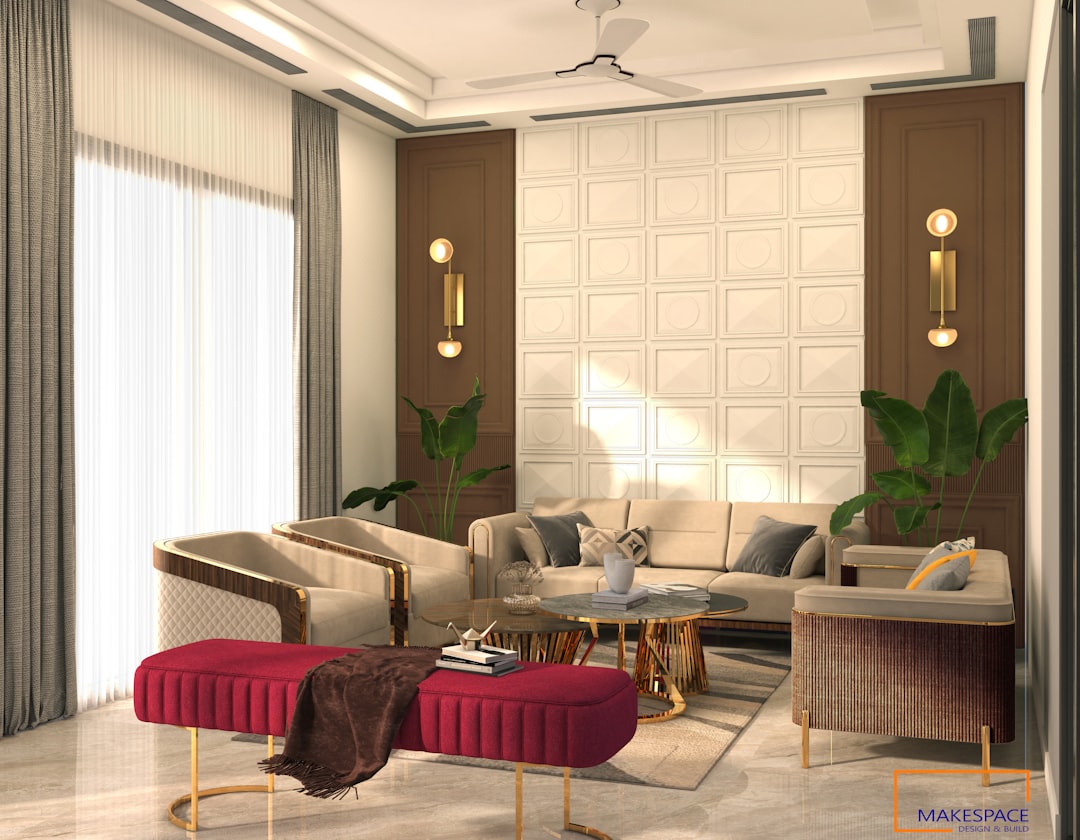
There’s a simple test. In a showroom, ask someone to place a couple of chairs roughly 60cm away from the front of the sofa, simulating a walkway. Then try to walk between them. If it feels tight already, that 90cm depth will likely be a problem in your actual flat. The exception? If your living room is unusually spacious, or if you’ve deliberately planned a minimalist layout with very little other furniture. Otherwise, the shallower depth is the smarter choice for preserving that sense of space you paid for.
One local touch many forget: a deep sofa often means you can’t easily pull it forward to clean behind it, or to vacuum that corner where dust accumulates. In our humidity, leaving a large, heavy piece permanently against a wall isn’t ideal for air circulation either. A slightly shallower seat gives you that bit of wiggle room for maintenance—something you’ll appreciate every few months.
You can stare at a sofa’s dimensions online for hours, but you won’t know if it’s actually comfortable until you sink into it. That’s the whole point of making a trip to a showroom. You walk in, you sit down, and within seconds you get a verdict that a webpage can’t give you. For a piece costing over two thousand dollars, that verdict is worth the drive.
Consider seat depth. A diagram might tell you it’s 70 centimetres, but that number doesn’t translate to your body. In a showroom, you can sit back properly, feel where your knees bend, and notice if there’s a gap behind your shoulders or if you’re perched too far forward. You’ll see how the cushion’s firmness changes the effective depth—a soft one lets you sink deeper, while a firmer base keeps you more upright. That’s something you can’t guess from a photo.
It’s not just about sitting upright either. You need to test how it feels when you lounge, maybe with your legs stretched out, the way you actually use a sofa at home. The fabric plays a part too; a tighter weave might feel more supportive, while a looser one could let the cushion compress differently. And you can compare side-by-side: sit on a deeper model, then try a shallower one, and decide which suits your posture and your living room’s use. That direct comparison settles the doubt instantly.
There’s really only one scenario where skipping the showroom visit makes sense—if you’re buying a second identical sofa for a different room, and you already know the first one fits you perfectly. Otherwise, for a major purchase like this, you’ve got to go and feel it yourself. It’s the surest way to avoid that sinking feeling, not in the cushions, but in your stomach, when a costly delivery arrives and just doesn’t feel right.
You'll see these questions pop up in forums and chats every week. What's the standard sofa seat depth in Singapore? Can you shorten it after buying? Is a deep seat good for elderly folks? And what's the difference between an L-shaped sofa and a regular three-seater? They're all variations on the same worry—how to get a seat depth that feels right without a costly mistake.
The standard here tends to hover around 60 to 65 centimetres. That's a comfortable middle ground for most adults sitting upright. But that's just a starting point. In a showroom, you'll quickly realise your own proportions matter more than any average. If you're taller, you might want that extra few centimetres for your thighs to rest properly; if you're shorter, a standard depth can leave you feeling perched awkwardly far from the back cushion. The only real answer comes from sitting in it, not from a spreadsheet.
Deep seats, those over 70 centimetres, are fantastic for lounging—you can sink back and stretch out. For elderly relatives, though, it's a mixed bag. A very deep seat can make it difficult to get up without something to push against. If they prefer to sit more upright, a standard depth with a firm cushion and a supportive back is often better. The exception is if they always use a footrest or prefer to lie back; then the extra depth becomes a comfort, not a hindrance.
L-shaped sofas often have a deeper chaise section, sometimes up to 80 centimetres or more, designed specifically for lying down. The main seating section, however, usually matches a standard three-seater's depth. This is why you must test both parts separately. A modular sofa solves this neatly—you can configure depths to suit different users in the same space.
Altering the seat depth after purchase is almost impossible without compromising the frame or the look. Some upholsterers might trim the front rail and reattach the cushion, but the result rarely looks integrated. It's a costly fix for a problem you should have avoided in the showroom. That's the whole point of going there: to sit, to measure, to confirm. Don't guess; go and feel it for yourself.
You’ve measured the sofa’s footprint, but what about the space left to live? That’s the real question. Before you head out to IMM or any showroom, take a tape and mark out the clear floor area after your new TV console is in place. A Queen sofa can look perfect in a 4-room BTO living room, but if it leaves you with a narrow corridor to the balcony, you’ll be shuffling sideways every day. Leave at least sixty centimetres of walkable space—that’s the buffer you need for a coffee table and to actually move around.
Then, think about how you sit. Are you upright with a laptop, or reclined for a movie marathon? A deep seat is shiok for lounging, but if you’re working from the sofa, you’ll be perched on the edge with no back support. That’s a posture killer. Decide which activity dominates your evenings—the answer dictates your ideal seat depth. For a family that hosts overnight guests, a sofa bed might seem essential, but its mechanism and mattress quality matter more than the daily comfort. If guests are rare, a regular deep-seater that gives parents a proper rest every night is the smarter investment.
This checklist isn’t about stopping you from buying; it’s about stopping you from buying wrong. Showrooms are designed for impulse—the plush fabric, the perfect lighting, the immediate “yes.” Without your own numbers and priorities written down, you’ll be swayed by what looks good there, not what works at home. Bring those notes. Compare them against the actual dimensions on the tag. Sit in the showroom piece for ten minutes, not ten seconds. That’s how you avoid the regret of a beautiful sofa that just doesn’t fit your life.
" width="100%" height="480">How to assess sofa seat depth for optimal comfort